A roof rack is usually the first big purchase on a Subaru build and it's one of the decisions that shapes everything that follows. The rack you choose determines what rooftop tent fits, how much solar panel space you have, whether you can mount side panels, and how the whole Subaru looks when it's loaded up!
Here's what we've learned from building and selling Subaru racks out of our Calgary shop.
Before you look at a rack, confirm whether your Subaru has raised rails, flush rails, or a bare roof. Most Foresters, Crosstreks and Outbacks come with either raised or flush side rails from the factory, the rack system you need depends on which one you have (most of the time).
Raised rails sit up off the roof with a gap underneath. Flush rails sit flat and tight to the roofline. Bare roofs need a gutter-mount or clamp system. Check your owner's manual or look at the roof edge, it's obvious once you know what you're looking for.
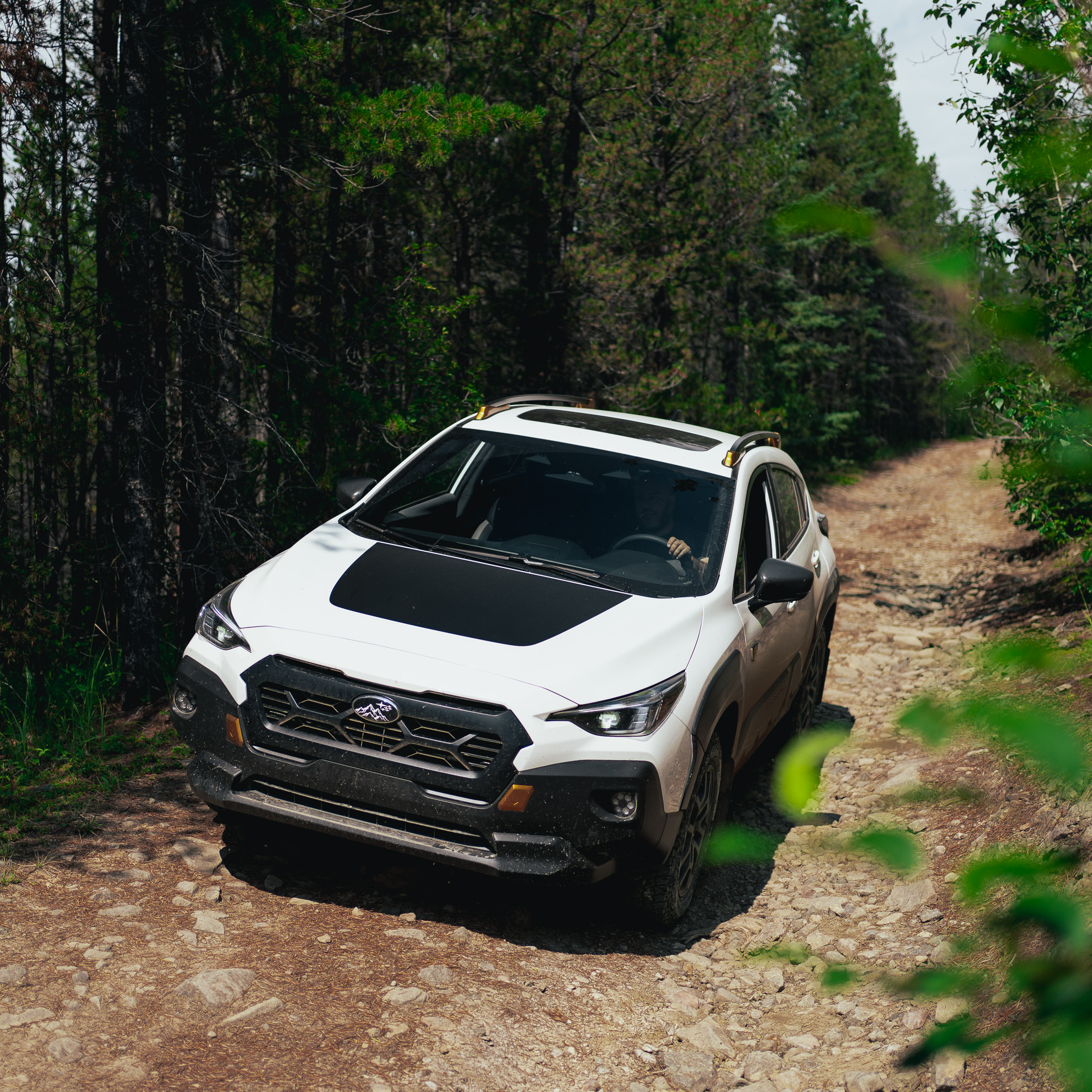
It's worth noting that most heavy-duty platform racks replace these factory rails entirely rather than mounting on top of them. The factory rail is removed and the new rack bolts directly to the factory mounting points on the roof, giving you a stronger, more rigid base to build from. This is different from a crossbar system, which clamps onto the factory rails and leaves them in place.
The second question is what you're planning to load, and this is where dynamic and static load ratings come in, two terms that get searched constantly and misunderstood just as often.
Dynamic load rating is the weight your rack can safely carry while the vehicle is moving. This number is much lower because it accounts for the forces of braking, cornering and rough roads all pushing and pulling on whatever is strapped to the roof. Gear bags, jerry cans, a solar panel, anything you're driving around with falls under this rating, including the rack itslef!
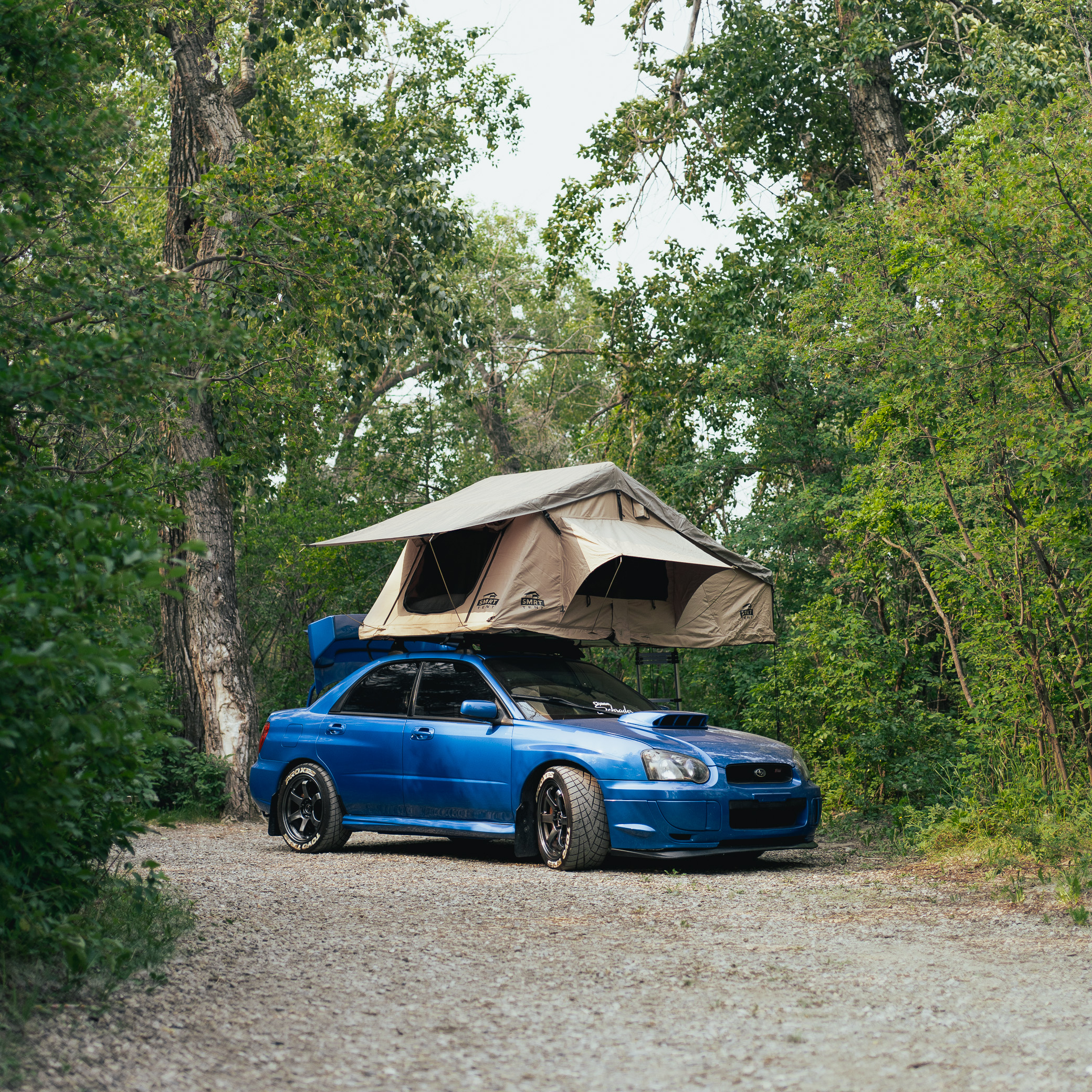
Static load rating is the weight your rack can carry while the vehicle is parked and not moving. This number is much higher because there's no driving force acting on the load. This is the rating that matters more for a rooftop tent, because the concern is whether the rack can support the tent plus the people sleeping in it while the vehicle is stationary at camp.
So when you're shopping for a rooftop tent, you actually need to check both ratings. The dynamic rating still matters because the tent is on the roof while you're driving to the trailhead, even folded down, it needs to be under that lower dynamic number just like any other gear. The static rating is what matters once you're parked and the tent is open with people sleeping in it, since that's a much higher number and accounts for the load sitting still rather than moving with the vehicle. Check the tent and rack combination against both numbers, not just one.
Front Runner Slimsport - our most popular pick for Crosstrek builds that are going the rooftop tent route. It's a full-length platform rack that integrates with Front Runner's modular accessory system, awning mounts, jerry can holders, bike mounts and more all bolt on without drilling. Low profile enough that it doesn't wreck your fuel economy on highway drives to the trailhead. Available for Crosstrek GP/GT generations.
Sherpa Equipment Co. - American-made in Colorado from aircraft-grade aluminum, the Sherpa system is one of the cleanest looking racks available for Subaru. Bolt-on no-drill installation on most models, extremely low profile, extra molle panels and built to carry serious loads without the bulk. A great choice if you want a rack that looks factory-fitted and doesn't add unnecessary weight. Fits most new Forester Outbacks and Crosstreks!
NashFab - a standout if you want a rack that looks a little different from the typical flat platform design. Their more aerodynamic shape sets them apart visually, and they're firmly positioned as a premium option with the build quality to match. NashFab also offers one of the deeper accessory ecosystems we carry, including MOLLE panel mounts for modular storage and dedicated Maxtrax mounts for recovery boards, so the rack becomes a real foundation for the rest of your build rather than just a place to strap a tent.
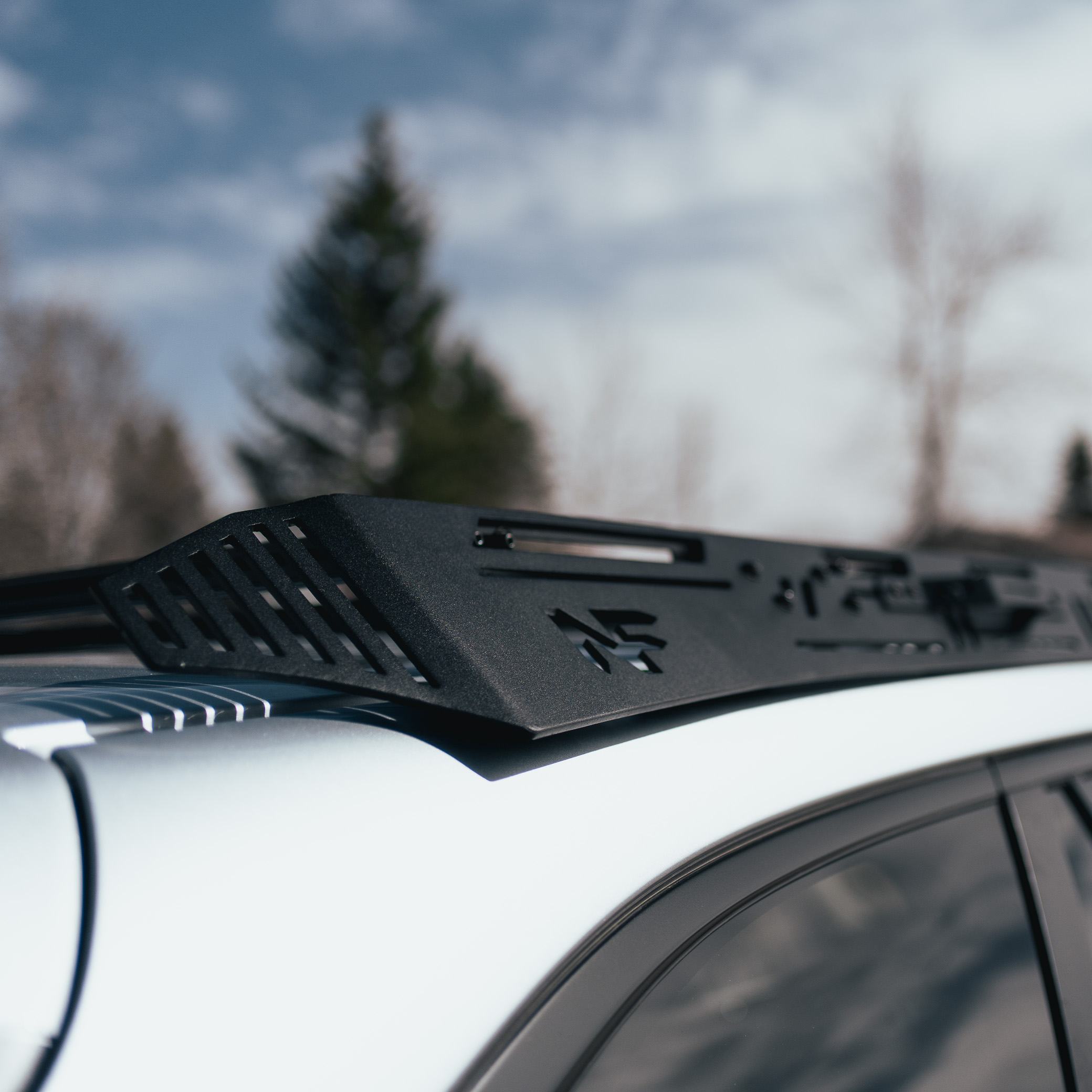
All three brands offer crossbar and load-carrier setups that mount directly to your factory side rails without replacing them, cargo boxes, bike racks, ski carriers and smaller gear. Front Runner also makes a platform kit for some models that gives you the modular accessory compatibility of their full system without committing to a platform rack. If you're not going the full platform route and just want a clean, low-profile setup for day trips and lighter loads, any of these three are solid, well-supported options that fit most Subaru models out of the box.
Every rack adds weight and drag. A bare aluminum platform rack typically adds 15-25 lbs to the roof and will cost you a few MPG on the highway when loaded. If you're doing a lot of highway driving between trips, look for lower-profile designs like the Nash Fab rather than a full basket rack. Remove the rack when you're not using it if fuel economy matters, most Subaru crossbar systems take five minutes to pull off.
If you're just carrying a cargo box, bike rack or ski carrier, stick with a crossbar system on your factory rails. Thule, Rhino-Rack and Front Runner all make clean crossbar kits that mount directly to your existing side rails, take five minutes to install, and are easy to pull off when you don't need them. No need to replace what's already there.
Once you're adding a rooftop tent, awning, solar panel or a combination of gear that needs a proper load platform, that's when you step up to a full aluminum rack. Front Runner Slimsport is our most popular pick for that setup, low profile, modular, and rated for the loads most people are actually running. If you want a cleaner look with a bolt-on no-drill install, Sherpa is the move. If you need serious load capacity and want American-made fabrication quality, NashFab delivers.
Not sure which one fits your adventure? Reach out and we'll put together the right list for your build!